Garner, NC · Water Damage Restoration
Garner Water Damage Restoration: Stop the Source, Document It and Dry the Structure
Water damage is a race between the source and the structure. A burst supply line, a failed water heater or a backed-up drain keeps adding water until someone stops it, and wet drywall, insulation and subfloor start to degrade while it sits.
This page follows the order that matters: stop the water, judge how dirty it is, document the loss, understand how drying works and decide where plumbing repair ends and restoration begins.
Water damage in the first thirty minutes: stop the source
- Close the main water shutoff at the house if a supply line or fixture is leaking.
- If the water is coming from a tank heater, turn off its cold supply and its power or gas.
- Switch off electricity to wet areas at the breaker only if the panel is dry and you can reach it without standing in water.
- Move people, pets and valuables out of the wet area.
- Photograph and film everything before moving or throwing anything away.
If you do not know where the main shutoff is, find it now, not during the next leak. It is usually where the water line enters the house, often in a garage, utility room or crawl space. The City of Raleigh maintains water lines up to your property line, and Raleigh Public Utilities at (919) 996-3245 is the number for a problem on the City side.
If water is near outlets, a ceiling light fixture is filling with water or the ceiling is bulging, stay out of that room. A bulging ceiling can release a lot of water at once.
Where the water came from decides the cleanup
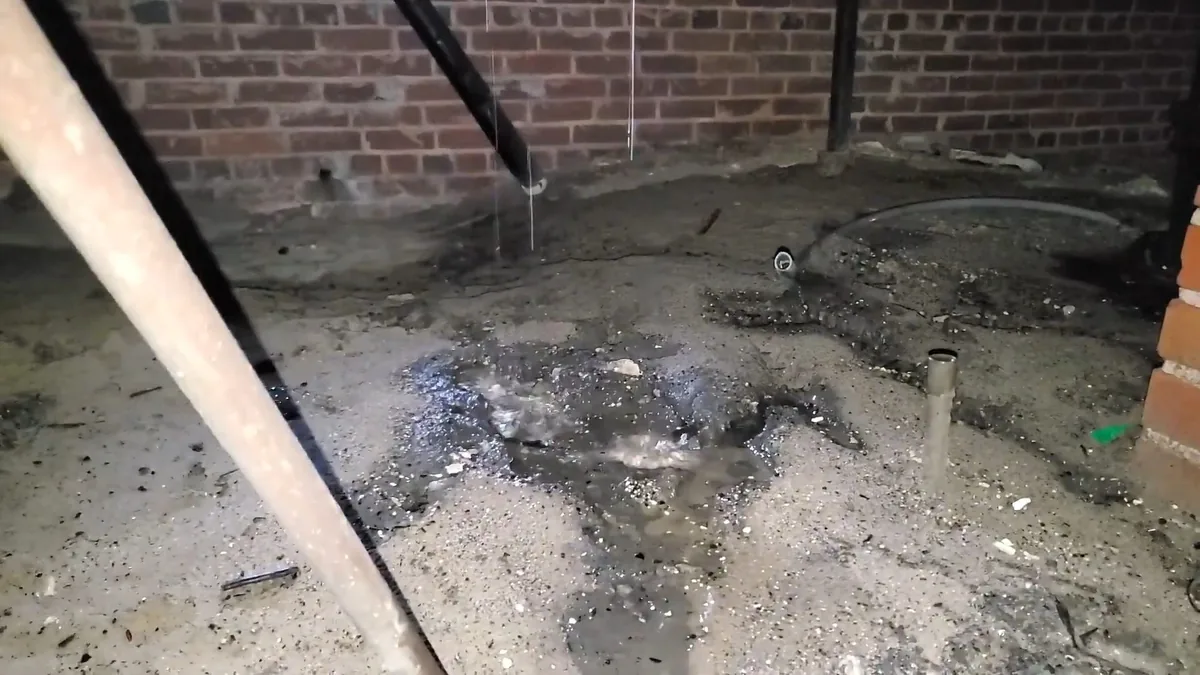
Restoration professionals sort water into three broad kinds. Clean water comes from a broken supply line or a failed fixture. Gray water comes from a washing machine or dishwasher. Black water comes from a sewer backup or a flood that crosses the ground. The category matters because it decides what can be dried and what must be removed.
- Clean supply water: wet materials can often be dried in place if the work starts promptly.
- Gray water: drying is possible, but porous materials are more likely to be removed.
- Black water or sewage: porous materials such as carpet, pad and drywall are usually removed, and the area is cleaned and disinfected.
- Water that sat for days: treat it as dirtier than it started, whatever its source.
A sewage backup is also a drain or sewer problem. If the water came up through floor drains or toilets, the line needs attention along with the cleanup, and a failing sewer line or a simple blockage may be the cause. For a blockage in a branch line, clearing the backup comes first.
Water already on the floor? Say where it started and whether it is clean or from a drain. That tells the plumber what to bring.
Documenting the loss for an insurance claim
Take wide photos of each room, then close-ups of the damage, the source and any damaged belongings. Record the date, the time you found it and the steps you took. Keep damaged items until the insurer has seen them or has said they can go.
Policies differ. Many cover water that is sudden and accidental and exclude damage from slow leaks or neglected maintenance, and water that comes from outside the house, such as a flood, is often excluded from a standard homeowner policy. This page cannot say what your policy covers. Read it, or call your insurer before work begins, and ask what they require for documentation.
Save the plumber's written findings. A report that names the failed part and the date of repair is useful evidence that the loss was sudden. If the cause was slow and hidden, finding the source of the leak before any wall is opened helps show what happened.
How drying works, and why wet walls are not dry because they feel dry
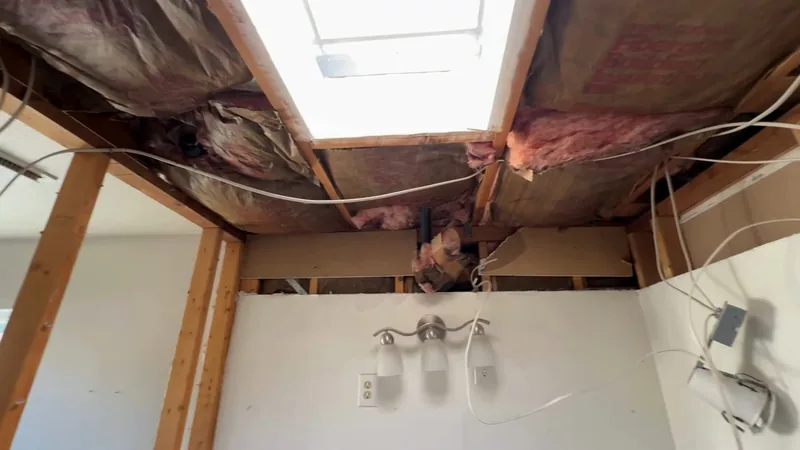
Drying is controlled evaporation. Air movers push dry air across wet surfaces, dehumidifiers pull the moisture out of the air and a moisture meter shows when materials have returned to normal. A wall can feel dry on the surface and still hold water in the framing, insulation or sill plate.
Ask the contractor for moisture readings at the start, at each visit and at the end. The finish line is a reading close to an unaffected area of the same material, not a day count. A job that ends because the equipment was only rented for a set period leaves a risk of hidden moisture.
- Carpet: sometimes lifted and dried in place, sometimes removed with the pad.
- Drywall: cut out when saturated or contaminated, often a few inches above the visible line.
- Insulation: usually removed when wet, because it holds water.
- Hardwood and laminate: may cup or buckle, and the call depends on how long they were wet.
- Cabinets and baseboards: the toe kick is often removed to dry the cavity behind.
Wake County summers are humid, and that makes drying slower and keeps the risk of mold higher. If the air is heavy and equipment is not running, materials stay wet longer.
Mold after water damage: what to tell the plumber
Mold can start where materials stay wet for a day or two. This page is about removing water and drying the structure, which is the step that makes mold less likely. It is not a guide to testing or removing mold that has already grown.
If you see or smell mold, tell the plumber when you call, because it changes how a wall is opened. Keep wet materials out of the living space and keep the area ventilated. Do not mix cleaning products.
Plumbing repair versus restoration: who does which part
A plumber stops the source and repairs the line, fixture or appliance that failed. A restoration contractor handles drying, removal of wet materials and rebuilding. Sometimes one company does both, and sometimes the plumber's visit is the first step before a drying crew starts.
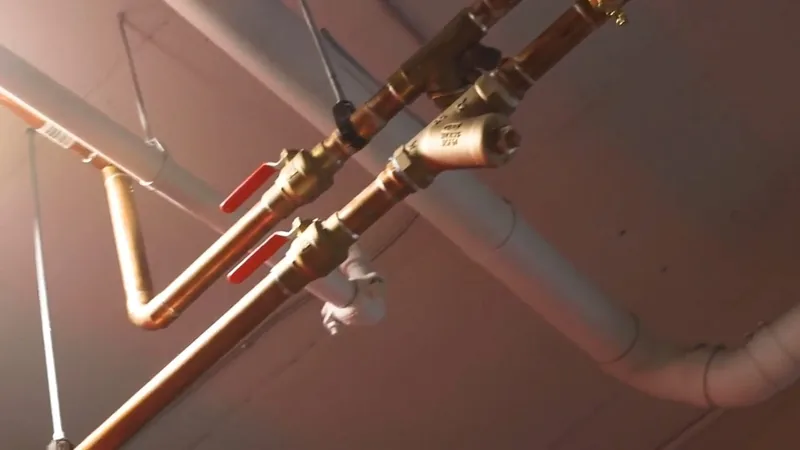
Common sources include a failed supply line to a toilet or sink, a burst pipe, an overflowing washing machine hose and a tank heater that split. A leaking tank is covered under a failing water heater tank, and an overflow from a toilet is covered under toilet overflow.
Before a wall is repaired and closed, make sure the leak has been repaired and pressure-tested. Drywall closed over an unrepaired leak is a second loss waiting to happen.
Freezing weather and burst pipes in Wake County
Winter lows in Wake County hover around or just below freezing and occasionally drop into the teens. Pipes in an exterior wall, an unheated garage or a crawl space are the usual victims. A split pipe often shows only after a thaw, when the water starts to flow again.
If a line has frozen but has not yet split, open the nearest faucet and warm the area slowly. If water is already escaping, close the main first. Do not use an open flame on a frozen pipe.
Ask the plumber to look at the rest of the system after a freeze. A split in one place often means other sections were stressed.
Costs, scope and the questions to ask before work begins
Cost depends on the water category, the area affected, the materials involved and how long the water sat. The what restoration may cost page gives only wide ranges, because a real number needs someone to look at the damage.
- Has the source been stopped and repaired, and can I have that in writing?
- What category of water is this, and how does that change the plan?
- What will be removed, and what will be dried in place?
- What moisture readings will you take, and when will I see them?
- Who handles rebuilding, and is that part of this estimate?
Water Damage Restoration questions in Garner
What should I do first when a pipe bursts in my house?
Close the main water shutoff, turn off power to wet areas only if you can reach the breaker panel safely, move people and valuables out and photograph everything before cleanup.
How long does it take to dry a home after water damage?
It depends on the water category, the materials and the humidity. Ask for moisture readings at each visit. Drying is finished when readings are close to an unaffected area, not after a set number of days.
Will homeowner insurance cover water damage?
Many policies cover sudden and accidental water and exclude slow leaks and outside flooding. Read your policy or call your insurer before work begins and ask what documentation they need.
Need water damage restoration in Garner?
Call, describe what you are seeing, and get a plumber for your part of town. Prices are quoted after the plumber diagnoses the problem.