Garner, NC · Repiping
Repiping a Garner Home: When Spot Repairs Stop Making Sense
A single pinhole leak is a repair. A third leak in two years, in different places, is a pattern. Repiping decisions turn on that pattern, not on the age of the house alone, and the right answer depends on what is actually inside your walls.
This page covers how to tell a repair from a repipe, what to find out about your pipes first, what the work involves in a lived-in home, and which permits and utilities are part of the project. Deciding on a plumbing repipe in Garner NC starts with knowing what the existing supply pipes are made of and how many separate failures they have had.
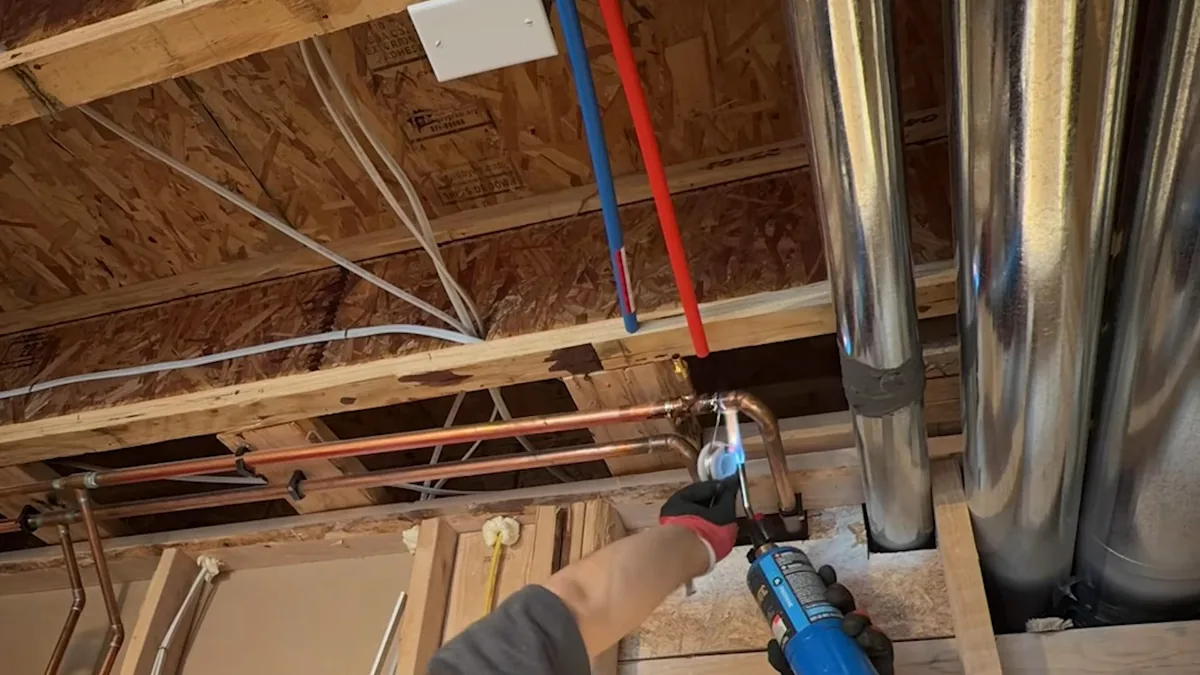
Three leaks, low flow or brown water: signs that repair is not enough
No single sign decides it. A plumber is looking for the combination. Repeated leaks at different points on the same line suggest the pipe is failing along its length, not at one joint. Flow that has dropped at several fixtures at once suggests the inside of the supply lines is narrowing.
- Two or more leaks on supply lines within a couple of years, at different spots.
- Hot or cold water that comes out brown or orange after sitting, in more than one fixture.
- Low pressure at several fixtures with a good regulator and an open main valve.
- Pinhole leaks that appear after a repair, as nearby pipe gives way under changed pressure.
- Visible green corrosion on copper or flaking on steel at fittings and valves.
One failure in a sound system is a repair. A system showing three of those signs is a candidate for replacement, and the next step is learning what the pipe is made of.
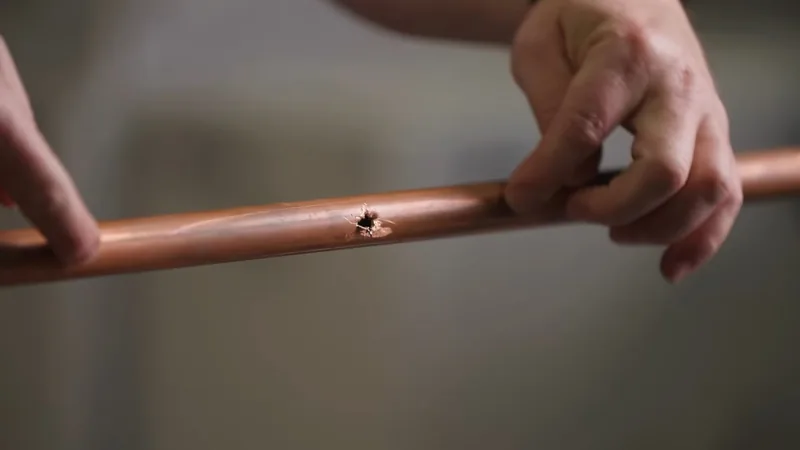
Identify the supply pipe material in a Garner home first
Garner homes were built across several decades, and supply piping changed over that time. A plumber can identify the material in minutes at the water heater connections, the meter area or an exposed run in a crawl space or garage. Copper, galvanized steel, CPVC and PEX each fail in different ways.
One material deserves a specific check. Polybutylene, a gray or blue plastic pipe used in some homes built from the late 1970s into the mid 1990s, is known for failing at its fittings. If your home was built in that window, ask the plumber to look. This is a general warning about the material, not a statement that Garner homes have it.
Record what the plumber finds, with photos of each material and where it runs. That record is the baseline for comparing repair against replacement, and it matters when any estimate is requested.
Repair, partial repipe or whole house: comparing the options
A repipe is not all or nothing. If one branch is failing and the rest is sound, a partial replacement of that branch may solve the problem. If the main trunk lines are the failing section, replacing only the branches buys little.
- Ask for the repair option, the partial option and the full option, each with its scope described.
- Ask what each option leaves unsolved, such as old shutoffs or remaining galvanized sections.
- Ask how many leak repairs the quote assumes, and what happens if another appears after the work.
- Ask which fixtures and valves are replaced as part of the job and which are reused.
Comparing scopes line by line works better than comparing totals. Repiping price guidance appears in the wide cost ranges for repiping, and the plumber confirms the price after seeing the house. If the leaks are the trouble, hidden leak detection can locate each one before you decide how much to replace.
Keeping a list of leak dates and locations? Share it on the call. It is the quickest way to show a pattern.
Materials: PEX, copper and what to ask about each
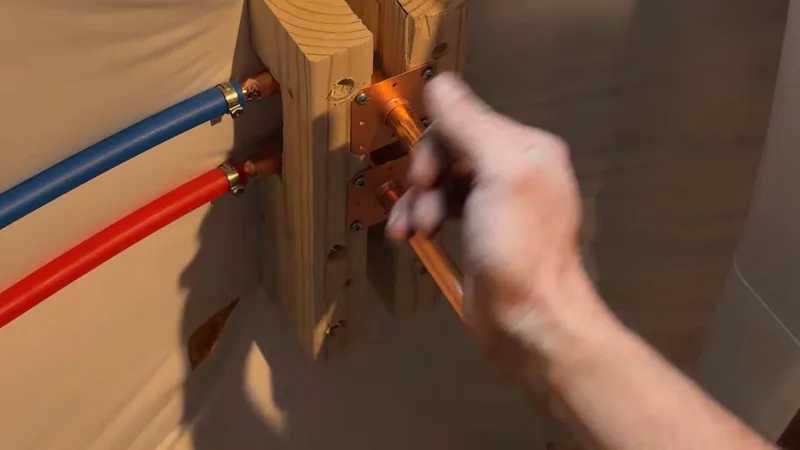
PEX is flexible plastic tubing used widely for residential supply lines. It bends around corners, needs fewer fittings, and is quicker to install in finished walls. Copper is rigid, durable and well understood, with soldered or press fittings, and costs more in materials.
Neither material is right for every house. Ask why the plumber recommends the one they do, what the manufacturer warranty covers, and what fittings the system uses. A plumber who can explain the trade-off and show where each type has been installed is giving you a decision, not just a quote.
Also ask about the water pressure regulator and the main shutoff. Replacing supply lines while leaving a worn regulator or a seized main valve in place defeats part of the purpose of the work.
What a repipe looks like in a lived-in home
The work is disruptive but bounded. The plumber maps a route, opens small access holes in walls and ceilings, runs new lines, connects each fixture and tests the system under pressure before the old pipe is abandoned. Water is off for part of each working day.
Ask who patches the access holes and what finish is included. Patching drywall is usually separate from painting, and some jobs leave that to the owner or a second trade. Ask how long the water will be off each day, what to do about drinking and cooking water, and how fixtures will be protected during the work.
Homes on a crawl space are generally simpler than homes with lines in a slab, because most of the work happens underneath. If the lines run through a concrete slab, a reroute through the walls and attic may be an alternative to breaking concrete. A slab problem is covered under slab leak repair.
Permits, utilities and the water meter
A whole-house repipe is a plumbing change, and the Town of Garner Inspections Department at Town Hall, 900 7th Avenue, requires a plumbing permit for plumbing installs and changes. Ask the plumber who pulls the permit and when the inspection is scheduled, and keep the inspection record with the house papers.
The City of Raleigh provides water to Garner homes. The City says it maintains water lines up to your property line, and from there to the house is the owner's. If the leak or pressure problem is on the City side, call Raleigh Public Utilities at (919) 996-3245. If the supply from the property line to the house is the failing section, that is a plumber's repair and a different scope from a repipe inside the house.
Questions to ask before you approve a repipe
- What material is in my walls now, and where did you see it?
- Which option do you recommend, and what does it leave unsolved?
- Who patches the access holes, and to what finish?
- Which fixtures, valves and the regulator are replaced?
- Who pulls the permit, and when is the inspection?
Repiping questions in Garner
How many leaks justify a whole-house repipe?
There is no fixed number. Repeated leaks at different points on the same system, in a short period, suggest the pipe is failing along its length. A single leak in an otherwise sound system is usually a repair.
Does a repipe need a permit in Garner?
A repipe is a plumbing change, and the Town of Garner Inspections Department requires a plumbing permit for plumbing installs and changes. Ask the plumber who pulls it and when the inspection takes place.
Should I repipe with PEX or copper?
Both are used in residential repipes. PEX is flexible and quicker to install in finished walls, while copper is rigid and durable. Ask the plumber why they recommend one for your house and what the warranty covers.
Need repiping in Garner?
Call, describe what you are seeing, and get a plumber for your part of town. Prices are quoted after the plumber diagnoses the problem.