Garner, NC · Toilet Repair
Garner Toilet Repair for Running Tanks, Clogs and Rocking Bowls
A toilet that keeps running, a bowl that will not clear and one that rocks on the floor are three different problems with three different causes. The running toilet is quiet and expensive, the clog is loud and urgent, and the rocking bowl is slow and hides damage under the floor.
This page covers each in turn: how to find a silent leak, how to clear a clog without making it worse, what a rocking toilet is telling you and when installation or relocation is the better answer.
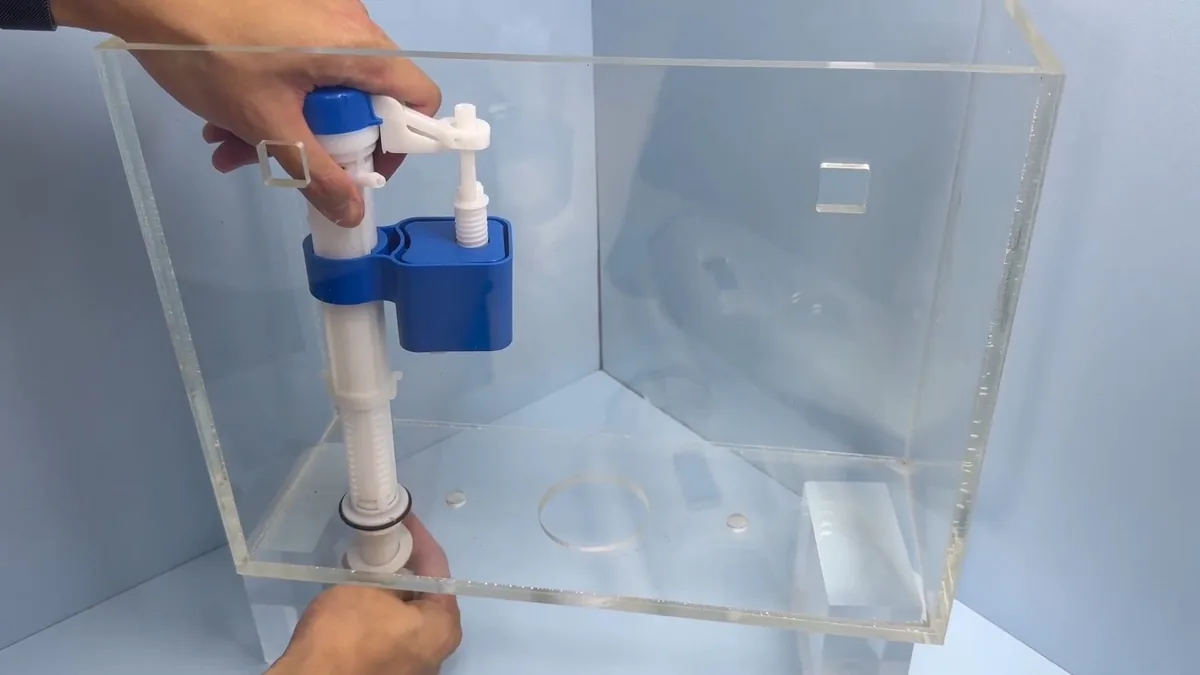
A running toilet: finding the silent leak
A toilet that runs on its own, or refills with no one flushing it, is leaking water from the tank into the bowl. The usual cause is a worn flapper that no longer seals, or a fill valve that does not shut off. The leak can be silent and still run up a bill.
A dye test finds the cause. Put a few drops of food coloring in the tank, do not flush and wait ten to fifteen minutes. If color appears in the bowl, the flapper or the flush valve seat is leaking. If the water rises to the top of the overflow tube and keeps going, the fill valve or float is set too high or has failed.
- Color in the bowl after waiting: the flapper or seat is leaking.
- Water running into the overflow tube: the fill valve or float needs adjusting or replacing.
- Phantom refills every few minutes: a slow flapper leak.
- Hissing after a flush that never stops: a failing fill valve.
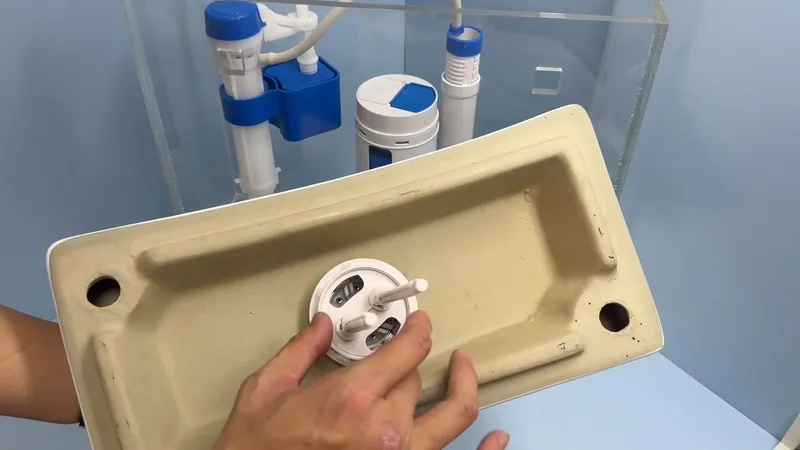
What a running toilet costs you, and how to check the meter
A running toilet can waste a large amount of water over a month, and it shows up on the bill, not in any noise. If the bill rose without an obvious reason, a dye test is the cheapest first step.
You can also check the water meter. Close every faucet, make sure no appliance is running, and look at the meter's low-flow indicator. If it moves with everything off, water is leaving the system, and the toilet is a common cause. Garner homes are on City of Raleigh water, and the meter is the reference point for the test. If the indicator keeps moving after the toilet's supply valve is closed, the leak is elsewhere, and tracing a hidden leak is the next step.
Close the small valve on the wall behind the toilet to stop the supply while you decide what to do. It should turn by hand. If it does not close, or it leaks when turned, tell the plumber, because that valve needs replacing.
A clogged toilet: what to try and what to avoid
Use a flange plunger, not a flat cup plunger, and make sure the bowl has enough water to cover the plunger head. Push slowly the first time to seat it, then pull and push with steady strokes. Most clogs clear within a few cycles.
Do not keep flushing if the bowl is not draining. Every flush adds water the line cannot carry, and the bowl can overflow onto the floor. If the water level is rising, close the supply valve behind the toilet and stop.
- Use a flange plunger and steady strokes.
- Avoid chemical drain openers in a toilet, which are hard on the porcelain seal and unsafe for the next person to work on it.
- If a closet auger is available, feed it carefully to avoid scratching the porcelain.
- If more than one fixture is backing up, it is not a toilet clog. Stop using water and call.
A toilet that clogs repeatedly, or where a tub gurgles when the toilet flushes, points to the main line. Mainline drain clearing and the sewer line are covered on their own pages.
Toilet overflowing or backing up with other drains? Say so at the start of the call. It points to the main line, not the toilet.
A rocking or leaking base: the wax ring and the flange
A toilet that rocks has lost its firm contact with the floor. The usual causes are loose closet bolts, a flange that is too low or damaged, or a floor that has softened. Rocking breaks the wax seal, and the leak from a failed seal appears at the base of the toilet, often only when it flushes.
Do not ignore a wet floor around the base. Water seeping from a broken seal soaks the subfloor, and a soft floor can be the reason the toilet rocks in the first place. A plumber can lift the toilet, inspect the flange and the floor, replace the wax ring and reset the bowl.
- Rocking only: loose closet bolts or an uneven floor.
- Water at the base after flushing: a failed wax ring or seal.
- A sewer smell with no leak: a poor seal or a dry trap nearby.
- A soft or spongy floor around the toilet: rot, which needs repair before the toilet is reset.
Repair, replace or install a new toilet
A flapper or fill valve repair is inexpensive and usually the right first step. Replacement makes sense when the bowl or tank is cracked, the toilet clogs repeatedly because of its design, or the floor needs repair that makes resetting the toilet part of a larger job.
- Cracked bowl or tank: replace.
- Old toilet that needs repeated repairs: replace.
- Repeated clogs with a sound drain line: ask about replacement with a more efficient flush.
- A new toilet in a remodel: confirm the rough-in distance before buying.
If you are buying your own toilet, measure the distance from the wall to the center of the floor drain, called the rough-in, which is usually 12 inches but not always. A toilet with the wrong rough-in cannot be installed without moving the drain.
Moving a toilet or adding one
Relocating a toilet moves the drain, which is a larger job than replacing one. It needs a new waste line, a vent and often an opening in the floor. Adding a new bathroom needs the same, plus water supply.
Ask the plumber where the waste line will join the main, how it will be vented and what inspection applies. The Town of Garner Inspections Department at Town Hall, 900 7th Avenue, handles plumbing permits for plumbing installs and changes, and moving or adding a toilet is one. Ask who pulls the permit.
If the bathroom is in a basement or on a lower level below the sewer main, a pump may be needed. That is a different system from a standard toilet drain, and the plumber should explain it up front.
Winter, supply valves and who else may be needed
Toilets are mostly protected from freezing, but a toilet in an unheated bathroom or a cottage can freeze in a hard Wake County cold snap. Winter lows hover around or just below freezing and occasionally drop into the teens. If water has frozen in the tank, leave the bathroom heated and call before using the toilet.
If water appears around the supply valve or the supply line, that is a fixture repair. See supply valve and fixture repair. If water appears on the ceiling below, close the main and call, because a failed seal may have been leaking for some time.
Toilet Repair questions in Garner
Why does my toilet run on its own?
The tank is leaking into the bowl. A worn flapper or a failing fill valve is the usual cause. A dye test with food coloring in the tank shows which one: color in the bowl means the flapper is leaking.
Should I use a chemical drain opener on a clogged toilet?
No. A flange plunger and steady strokes clear most clogs. Chemical openers are hard on the porcelain seal and unsafe for the next person who works on the line.
Why does my toilet rock, and does it matter?
Loose closet bolts, a low flange or a soft floor are the usual causes. Rocking breaks the wax seal, and a leak at the base can soak the subfloor, so a plumber should look at it.
Need toilet repair in Garner?
Call, describe what you are seeing, and get a plumber for your part of town. Prices are quoted after the plumber diagnoses the problem.