Garner, NC · Drain Cleaning
Clogged Drain? Garner Drain Cleaning for Slow Sinks, Gurgling Lines and Backups
One slow sink is a nuisance. A tub that gurgles when the washing machine drains, or sewage rising in a floor drain, is something else. The first job on any drain call is working out which of those situations you are in, because the fix, the cost and the person responsible are different.
The sections below follow that order: where the clog sits, what you can try without making it worse, when a camera belongs in the visit, and who owns the pipe when the problem is outside the house. Where a snake keeps missing the problem, hydrojet drain cleaning in Garner NC is the next step, and the camera view tells you whether it is worth doing.
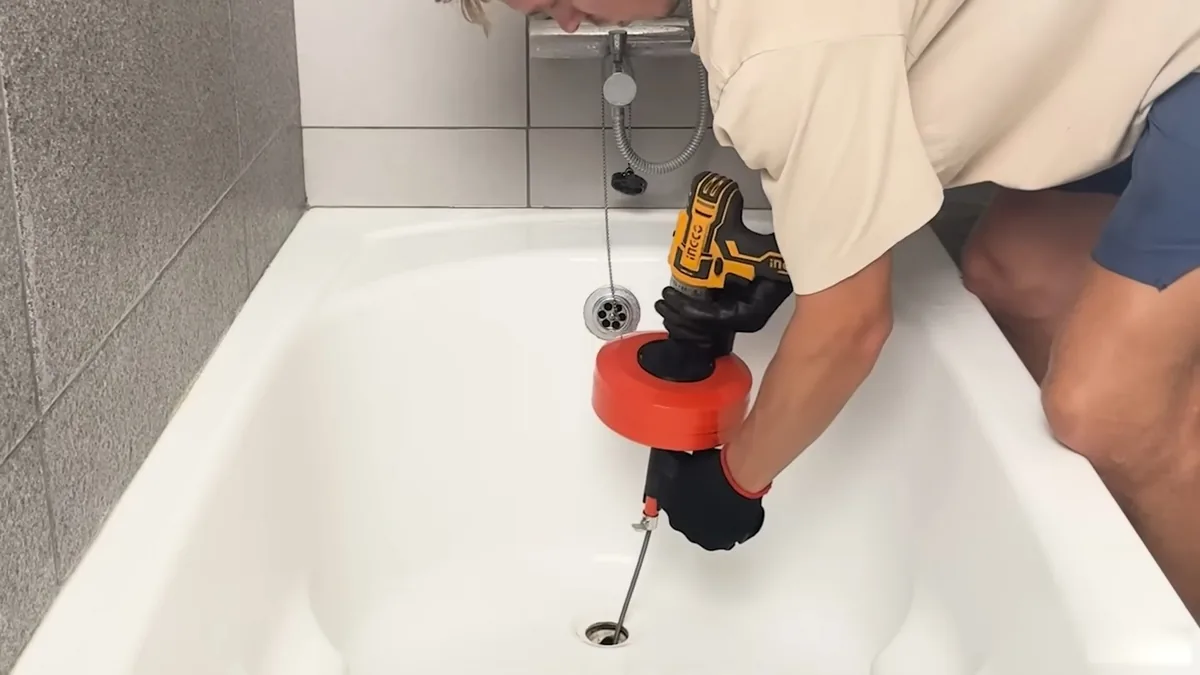
One drain or every drain: finding where the clog sits
The pattern tells you more than the fixture. A single slow sink with every other drain running normally points to a clog between that fixture and the point where its branch joins the main line. Two or three fixtures backing up together, especially the lowest tub or shower, points to the main line or the lateral.
- One fixture slow: the trap or the branch line just downstream of it.
- Kitchen sink only: usually grease, food solids or a failing disposal outlet.
- Bathroom sink and tub on the same wall: a shared branch with hair and soap residue.
- Toilet and tub both gurgling or backing up: the main line, not the fixtures.
- Floor drain at the lowest level bubbling when upstairs fixtures drain: main line, treat as urgent.
Tell the person on the phone which fixtures are affected and in what order they started. That one detail often decides whether the first visit is a cable through a branch line or a camera down the main.
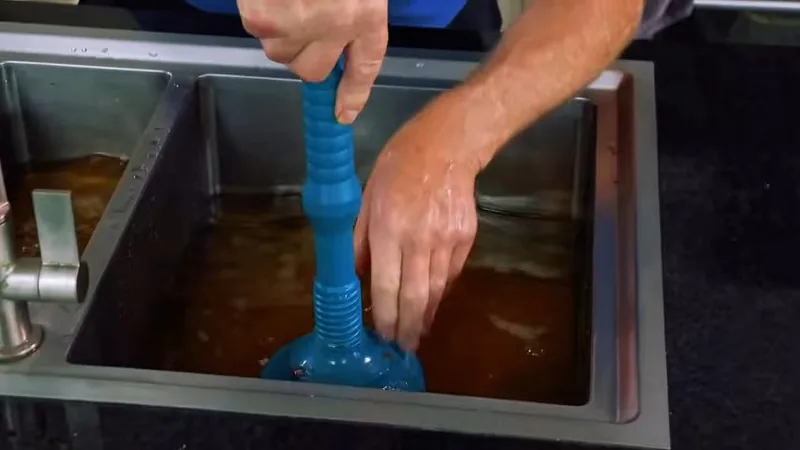
What to try first, and what makes a clog worse
A flat-bottom plunger on a sink or tub, with the overflow opening sealed by a wet cloth, clears many soft clogs. A toilet needs a flange plunger and steady strokes rather than quick jabs. If the water drains after a few attempts, run hot water for a minute and stop there.
Liquid drain openers are the habit most worth breaking. They sit in a standing clog, can damage older pipe and traps, and leave a caustic pool that endangers whoever clears the line next. If you have already poured one in, tell the plumber, who will wear protective gear and avoid splashing.
Do not run a garbage disposal against a clogged drain, and do not keep flushing a toilet that is not clearing. Every flush adds water the line cannot carry, and a backed-up toilet at the lowest level can overflow into the floor.
Kitchen lines, grease and the disposal outlet
Kitchen drains clog differently from bathroom drains. Grease cools inside the pipe and coats the wall, then catches food solids until the opening narrows. The slowdown arrives over weeks, which is why many people call only when the sink stops draining entirely.
A plumber clearing a kitchen line will usually use a cable with a cutting head sized for the pipe, then run water to confirm the line carries a full load. If the disposal outlet is where the problem sits, garbage disposal repair may be part of the visit. Ask whether the line was cleared back to the main or only past the obstruction, because a thin coating of grease left on the wall tends to return.
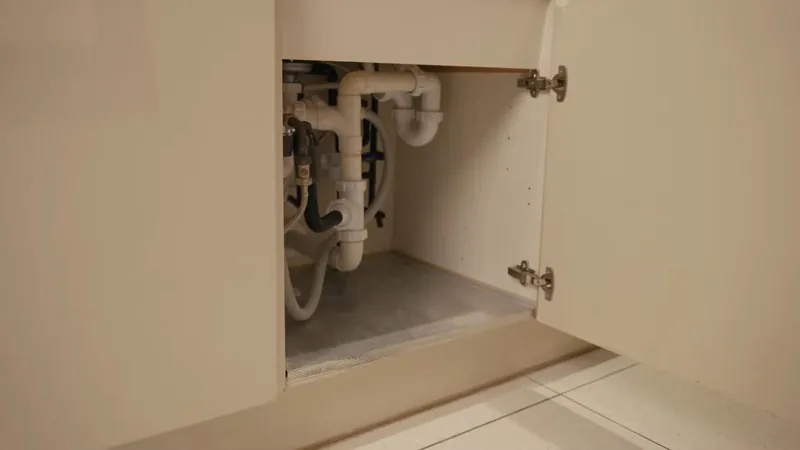
When a camera belongs in the visit
A cable clears a blockage. A camera shows why it formed. If a line clogs once, a cable is a fair first step. If the same line clogs a second time within a year, or two fixtures back up together, asking for a camera inspection turns a repeat call into a diagnosis.
A camera run can show roots entering at a joint, a sagging section that holds water, a cracked or offset pipe, or a buildup that a cable only tunnels through. Ask the plumber to show you the footage, note where on the line each issue sits, and say how far from the cleanout the camera went.
What the footage shows decides the next step. Heavy grease or scale on an otherwise sound pipe is a case for high-pressure jetting. Roots, an offset joint or a belly point to sewer line problems that cleaning will not cure, and the camera record is what an estimate for any repair should rest on.
Two fixtures backing up together, or sewage at a floor drain? Say so at the start of the call so the visit is planned around the main line.
Who owns the pipe when the clog is outside the house
Garner homes are served by City of Raleigh sewer, so the City, not the Town of Garner, owns the main in the street. The line from the house to that main, the lateral, is generally the property owner's responsibility on private property. Before paying for work, find your cleanout and confirm where your section ends.
If neighbors on your street are also backing up, the blockage may be in the city main. In that case call Raleigh Public Utilities at (919) 996-3245 rather than paying a plumber to clear a line the City owns. A plumber who can see a clear lateral and a full main at the cleanout is also a reliable witness for that call.
Call 811 at least three working days before any digging (NC811), including a spot repair near the cleanout. If the camera shows damage, the next question is repair method, and trenchless pipe lining is worth asking about when the pipe has cracks but has not collapsed.
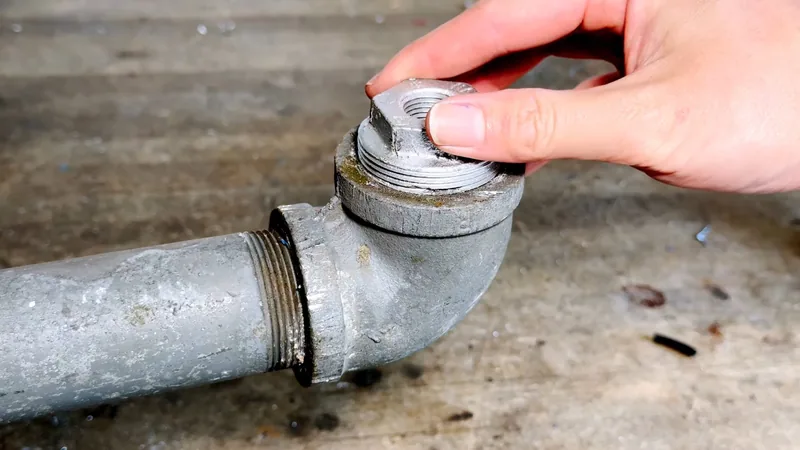
Yard drains, storm drains and floor drains
Outdoor drains behave differently from household lines. A yard or French drain that no longer carries water away from the foundation is a drainage problem, not a sewer problem, and a plumber can clear and camera a buried drain line to the outlet.
A storm drain in the street or at the curb belongs to the Town. Garner Public Works at (919) 772-7600 handles streets and stormwater, so a blocked inlet at the road edge goes there. A basement or lower-level floor drain that bubbles during heavy rain is a different symptom and worth describing to the plumber exactly as it happens.
Preventing the next clog
- Keep grease out of the sink. Wipe pans with a paper towel and bin it.
- Use a mesh strainer in tubs and showers, and empty it into the trash.
- Flush only toilet paper. Wipes marked flushable do not break down like paper.
- Run hot water for a minute after the dishwasher or washing machine finishes.
- Know where your cleanout is before you need it, and keep the cap accessible.
Prevention covers about half of what a plumber sees. The other half is aging pipe and tree roots, which no habit prevents. A camera inspection after a second clog on the same line is the point at which maintenance turns into a decision.
Commercial kitchens and grease systems are a different job
This page is about homes. A restaurant or commercial kitchen with a grease trap or interceptor, a shop floor drain system and other commercial lines are not handled by this number.
If you run a business, say so at the start of the call so no one is sent to the wrong kind of job.
Drain Cleaning questions in Garner
How do I know if a clog is in one drain or the main line?
Count the fixtures affected. One slow fixture with the rest draining normally is a local clog. Two or more fixtures backing up together, especially the lowest tub, shower or a floor drain, points to the main line or the lateral.
Are liquid drain cleaners safe to use before calling a plumber?
They are best avoided. They sit in a standing clog, can damage older pipe and traps, and leave a harsh liquid for whoever clears the line next. If you have used one, tell the plumber when they arrive.
Should I get a camera inspection every time a drain is cleared?
Not for a first clog on a single fixture. A second clog on the same line within a year, or two fixtures backing up together, is when a camera inspection is worth asking for, because it shows what is causing the repeat.
Who clears a backup if the blockage is in the street?
The City of Raleigh owns the sewer main in the street. If neighbors are also backing up, call Raleigh Public Utilities at (919) 996-3245. The lateral from your house to the main is generally the owner's responsibility.
Need drain cleaning in Garner?
Call, describe what you are seeing, and get a plumber for your part of town. Prices are quoted after the plumber diagnoses the problem.