Garner, NC · Sewer Line Repair
Garner Sewer Line Repair: Camera Findings, Cleanouts and Who Owns Which Section
Sewage in a floor drain, several fixtures backing up together, or a patch of lawn that stays wet and smells: each points to the sewer line, and each is a different problem to solve. The expensive mistakes happen when a line is dug up or replaced before anyone has looked inside it.
This page follows the order that protects your money: what the symptoms mean, what a camera inspection should show, where your responsibility ends and the City's begins, and how repair choices compare. Sewer line repair and replacement in Garner NC begins with a camera, because the picture decides whether a section needs cleaning, lining or digging.
Symptoms that point to the sewer line, not a fixture
A fixture clog affects one drain. A sewer line problem affects the lowest fixtures first and then spreads. The pattern matters more than any single event.
- Two or more fixtures backing up together, with the tub or a floor drain gurgling when another fixture drains.
- Repeated clogs on the same line within a few months, even after cleaning.
- A sewage smell in the yard or basement with no visible cause.
- Soggy or unusually green ground along the path from the house to the street.
- Slow drains throughout the house after heavy rain.
If sewage is coming up inside the house, stop using water and call straight away. Keep people and pets out of the affected area, and do not run a washing machine or flush toilets while waiting. A line that is fully blocked has nowhere for water to go but back up into the house.
Camera inspection first: what it should tell you
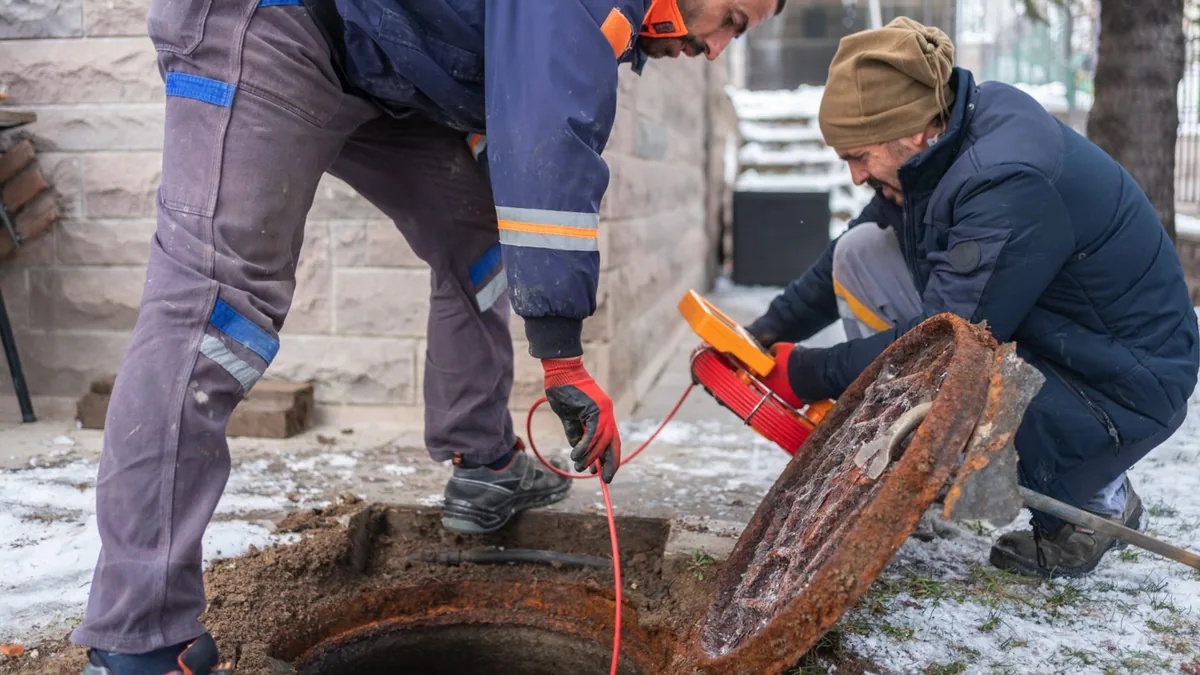
A sewer camera is the only way to see the pipe from the inside. Before any repair is quoted, ask for a camera run from the cleanout toward the street, with the recording saved and the plumber narrating what it shows.
A useful inspection answers specific questions. What is the pipe made of? Where along the run is the problem, measured from the cleanout? Is it roots at a joint, a sagging section that holds water, a crack, an offset where two pipes no longer line up, or a collapse? Is the rest of the line sound?
Ask the plumber to mark the location of the defect on the surface with paint or a flag, and to measure its depth if a locator is used. A repair quote based on a depth and a distance is far more reliable than one based on a guess. A repeat clog that a cable keeps clearing is the usual reason to schedule this first, and routine drain clearing is the step that comes before it.
Sewer lateral: where your section ends and the City's begins
Garner homes are on City of Raleigh sewer. The City owns the main in the street. The lateral, the pipe from the house to that main, is generally the property owner's responsibility on private property. Confirm the location of your cleanout and where your section ends before paying for work, and ask the City if the boundary is unclear.
If neighbors on the same street are also backing up, the blockage may be in the main. Call Raleigh Public Utilities at (919) 996-3245 instead of paying a plumber to clear a line the City owns. A camera run that shows a clear lateral and a full main at the connection is useful evidence for that call.
Call 811 at least three working days before any digging (NC811). The Town of Garner Inspections Department at Town Hall, 900 7th Avenue, requires a plumbing permit for sewer lateral work, so ask the plumber who pulls it and when the inspection happens.
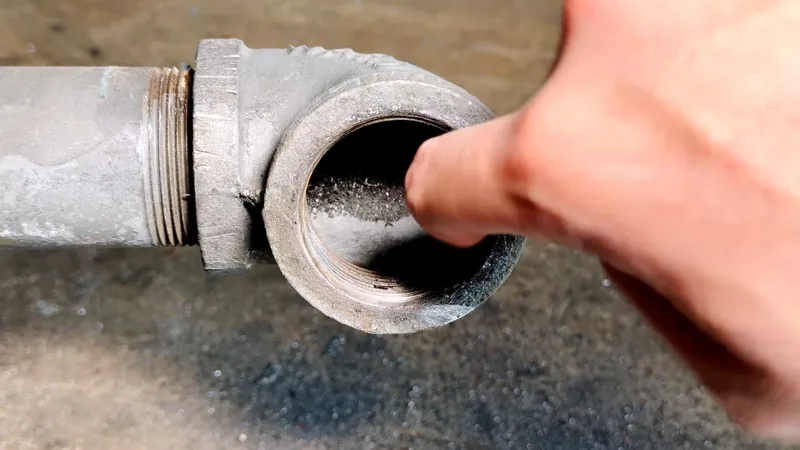
Know where your cleanout is? Tell the person on the phone. It helps plan the camera run.
Spot repair, partial replacement or full line
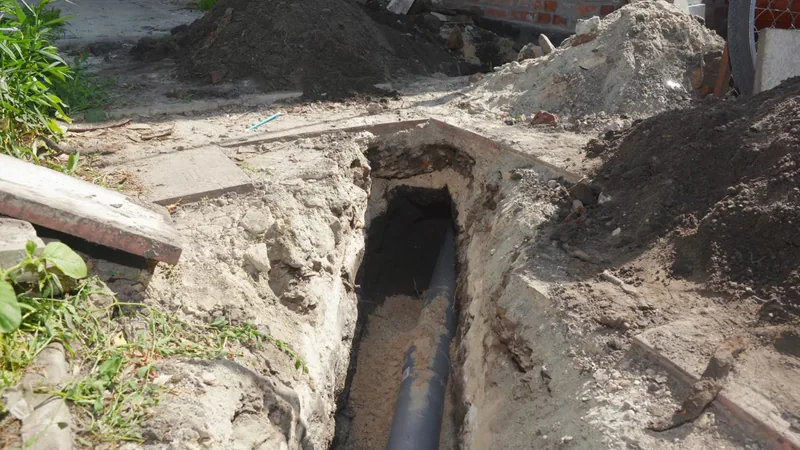
The camera result decides the scope. A single cracked or offset section can often be repaired by digging down to it and replacing a short length of pipe. A line that is cracked or rooted at several points along its run is often worth replacing as a whole.
- One defect on an otherwise sound line: a spot repair at that location.
- Defects at two or three points close together: replace the section that contains them.
- Defects along most of the run, or pipe material that is failing throughout: full replacement.
- A bellied section that holds water but is otherwise intact: replace or regrade that section.
Excavation is not the only option. If the pipe is cracked but not collapsed, pipe lining instead of digging may fit, and the comparison between digging and lining is on that page. Ask the plumber for both options when the camera allows either.
Roots and what keeps them away
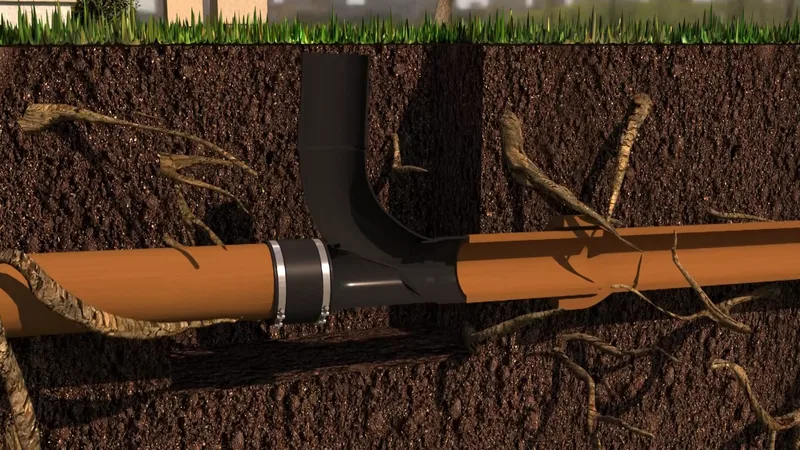
Roots enter at joints, where small amounts of moisture escape. Cutting them back clears the line, but the roots return unless the joint is sealed or replaced. A root problem at a single joint calls for a joint repair. Roots at many joints mean the pipe is leaking at many points and the cure is broader.
If the roots belong to a tree on your property, removing the tree does not fix a damaged joint, and the roots may still be growing in the line. A plumber should photograph the root mass in the pipe so the repair and any later conversation with a tree service rest on evidence.
Cleaning that uses high-pressure water, described under hydro jetting, can reset a rooted line for a time, but a camera should confirm the pipe is sound before pressure is used.
Questions to ask before approving sewer work
- Can I see the camera recording and where each problem sits along the line?
- Is the defect in my section or in the City's?
- What are my options for this defect, and what does each leave unsolved?
- Does the quote include the permit, backfill, and restoring the surface?
- What warranty covers the repair, and what does it exclude?
This page is written for homes. Commercial and industrial sewer lines differ in pipe size and loads, so say on the call if the building is not a house.
Commercial and industrial sewer lines are not covered here
This page is about residential sewer laterals. Commercial and industrial sewer lines, including shared lines serving a business, are not handled by this number.
If a business shares the line, or the property is not a home, say so at the start of the call.
Sewer Line Repair questions in Garner
How do I know the problem is the sewer line and not a clogged drain?
A fixture clog affects one drain. A sewer problem affects the lowest fixtures first and spreads, such as a tub gurgling when another fixture drains, repeated clogs on the same line or sewage in a floor drain.
Who is responsible for the sewer pipe, me or the City?
The City of Raleigh owns the sewer main in the street. The lateral from your house to that main is generally the property owner's responsibility on private property. Confirm the boundary before paying for work.
Do I need a camera inspection before sewer repair?
Yes, in nearly every case. The recording shows the pipe material, the location of the defect and whether the rest of the line is sound, which is what a reliable quote needs.
Does sewer lateral work need a permit in Garner?
The Town of Garner Inspections Department requires a plumbing permit for sewer lateral work. Ask the plumber who pulls it, and call 811 before any digging.
Need sewer line repair in Garner?
Call, describe what you are seeing, and get a plumber for your part of town. Prices are quoted after the plumber diagnoses the problem.