Garner, NC · Hydro Jetting
Garner Hydro Jetting for Drain Lines a Snake Keeps Missing
A cable punches a hole through a clog. High-pressure water scours the whole inside of the pipe. That difference is why a drain that clears for a month and then slows down again is often a candidate for hydro jetting, and why a pipe with a crack or an offset joint is not.
This page covers the decisions behind a jetting visit: whether the problem is buildup or damage, what a camera should show before and after, what the pipe can safely take, and who is responsible for the line. Hydro jetting in Garner NC is a decision about the pipe rather than a routine add-on, because a camera shows whether the line has buildup that water pressure can clear or damage that it cannot.
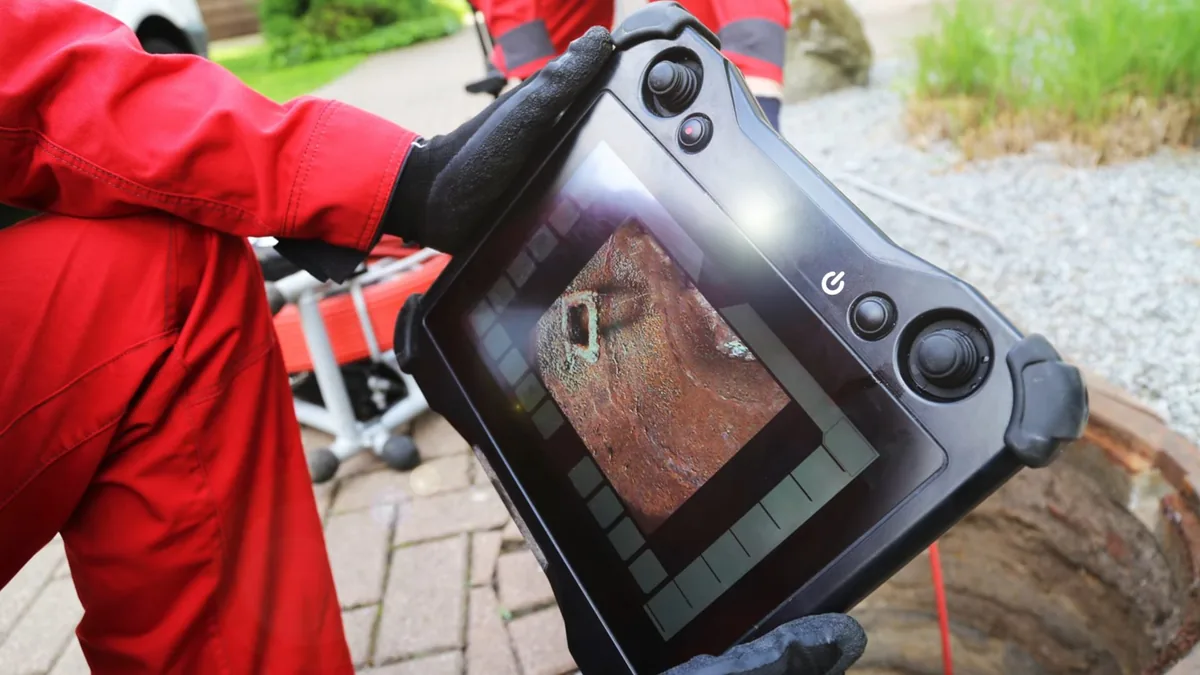
Buildup or damage: the question jetting depends on
Jetting removes material from the pipe wall. It cannot repair a pipe. If a line is narrowed by grease, soap scale, mineral deposits or soft roots, jetting restores the diameter. If the line is cracked, offset, collapsed or sagging, water will clear the debris but the underlying defect remains, and the clog returns.
The only way to tell the two apart is to look. A camera run before any jetting shows what is in the pipe and what condition the pipe is in. A plumber who proposes high-pressure work without a camera first is guessing, and a damaged pipe is the place a guess does the most harm.
Jetting versus a cable: which fits which clog
A cable is the right first tool for a single local clog, a hair plug in a tub, or a toy in a toilet trap. It is faster to set up and carries less risk to older pipe. Its limit is that it clears a channel, not the pipe wall.
- Repeated clogs on the same kitchen or main line within months: grease coating is likely and jetting often fits.
- Slow flow with no full blockage on a long run: scale or buildup narrowing the pipe.
- Fine root hairs entering at joints: jetting can cut them back, though roots grow back unless the joint is repaired.
- A one-time blockage in a line that was running freely: a cable is usually enough.
- A visible break, offset or belly on camera: repair first, then clean.
Everyday drain cleaning and clog removal covers the cable work, and jetting is the next step when the same line keeps coming back. The two services overlap, but the decision is different.
What a jetting visit looks like
The plumber locates an access point, usually the sewer cleanout, runs the camera first, and then feeds a hose with a nozzle into the line. Water exits the nozzle in angled jets that pull the hose forward while scouring the wall. The nozzle is worked back and forth along the problem section and then withdrawn.
A second camera pass confirms the result. Ask to see both. The after footage should show clean pipe wall along the section that was jetted, and the plumber should point out anything the water exposed, such as a cracked joint that was previously hidden by buildup.
Expect water and debris to move down the line. The sewer is designed for that, but plan to keep fixtures unused during the work and tell the plumber about any fixture that has overflowed in the past.
Same drain slowing down again after a recent cable visit? Mention the earlier visits on the call. They are the strongest sign that jetting is worth pricing.
What the pipe can take
Pipe condition limits what pressure is appropriate. Sound modern plastic and cast iron lines handle jetting well. Older clay, thin-walled or heavily corroded pipe, and lines with known cracks, may not. A responsible plumber chooses a nozzle and pressure for the pipe in front of them and stops if the camera shows damage.
If the first camera pass shows a collapsed section or a break, jetting does not go ahead. The conversation turns to repair, and sewer line repair and replacement or pipe lining without trenching may apply, depending on how far the damage extends.
Ask what the plumber would do differently if the camera showed an unexpected problem. A clear answer in advance prevents a surprise bill and shows that the visit is built around the pipe, not a fixed procedure.
Garner's sewer system and who owns the line
Garner homes are on City of Raleigh sewer. The City owns the main in the street, and the lateral from the house to the main is generally the owner's on private property. Before jetting, the plumber needs to know where the cleanout is and which direction the line runs, because jetting from the wrong side can push debris toward a section that was not part of the problem.
If a blockage is in the street main, jetting a private lateral does nothing for it. Neighbors backing up at the same time is the signal. Call Raleigh Public Utilities at (919) 996-3245 for the main and bring the plumber's camera footage if there is any.
Whether jetting itself needs a permit was not confirmed. It cleans an existing line rather than changing it, but ask. Any excavation near the lateral that follows does, so call 811 three working days before digging (NC811) and ask the plumber whether the Town of Garner Inspections Department at 900 7th Avenue needs to be involved in the repair.
Roots, and why jetting is not the final answer for them
Roots enter pipes at joints and small cracks, looking for water. Jetting cuts them back and flushes them away, and the line runs freely again for a time. The roots grow back from the outside unless the joint is sealed or the section is replaced.
If the camera shows roots at a single joint, the options are a scheduled return visit at a sensible interval or a localized repair at that joint. If roots appear at several joints along a long run, the pipe is likely worn throughout, and repeated jetting becomes a recurring expense that avoids the real decision.
Questions to ask before approving a jetting job
- Will you run a camera before and after, and will I see both recordings?
- What caused the buildup, and is it likely to return on this line?
- What condition is the pipe in, and does that limit the pressure?
- If the camera shows damage, what do you stop and what do you recommend?
- Where does the work start, and how far along the line will it go?
A plumber who answers those five plainly has a plan for your pipe. One who cannot has a machine and a price.
Hydro Jetting questions in Garner
Is hydro jetting safe for older pipes?
It depends on the pipe. Sound plastic and cast iron lines usually handle it. Cracked, collapsed or heavily corroded pipe may not, which is why a camera run before jetting matters. The plumber should choose a pressure suited to the pipe and stop if the camera shows damage.
How do I know whether I need jetting or just a cable?
A first-time clog on a single fixture is usually a cable job. A line that clogs again within months, or that is slow without ever fully blocking, suggests coating or scale along the pipe wall, and jetting is the next step.
Will hydro jetting fix a cracked sewer pipe?
No. Jetting cleans the inside of a pipe and cannot repair it. If the camera shows a crack, offset joint or collapse, the pipe needs repair or lining, and cleaning alone will not stop the clogs from returning.
Need hydro jetting in Garner?
Call, describe what you are seeing, and get a plumber for your part of town. Prices are quoted after the plumber diagnoses the problem.