Garner, NC · Gas Line Repair
Garner Gas Line Repair: What to Do About a Gas Smell and Who Fixes Which Part
If you smell gas right now, leave the house. Do not turn lights or appliances on or off, do not use a phone inside, and do not try to find the leak. Call the gas utility and 911 from outside. That is the whole procedure, and everything else on this page waits until the utility has cleared the building.
Once the smell has been dealt with, the questions become practical: who owns which section of the pipe, what a plumber repairs, what a pressure test proves, and what to ask before piping is added or moved. If you need a plumber for gas line work in Garner NC, the first call after a smell is the gas utility, and the plumber comes in once the leak has been cleared.
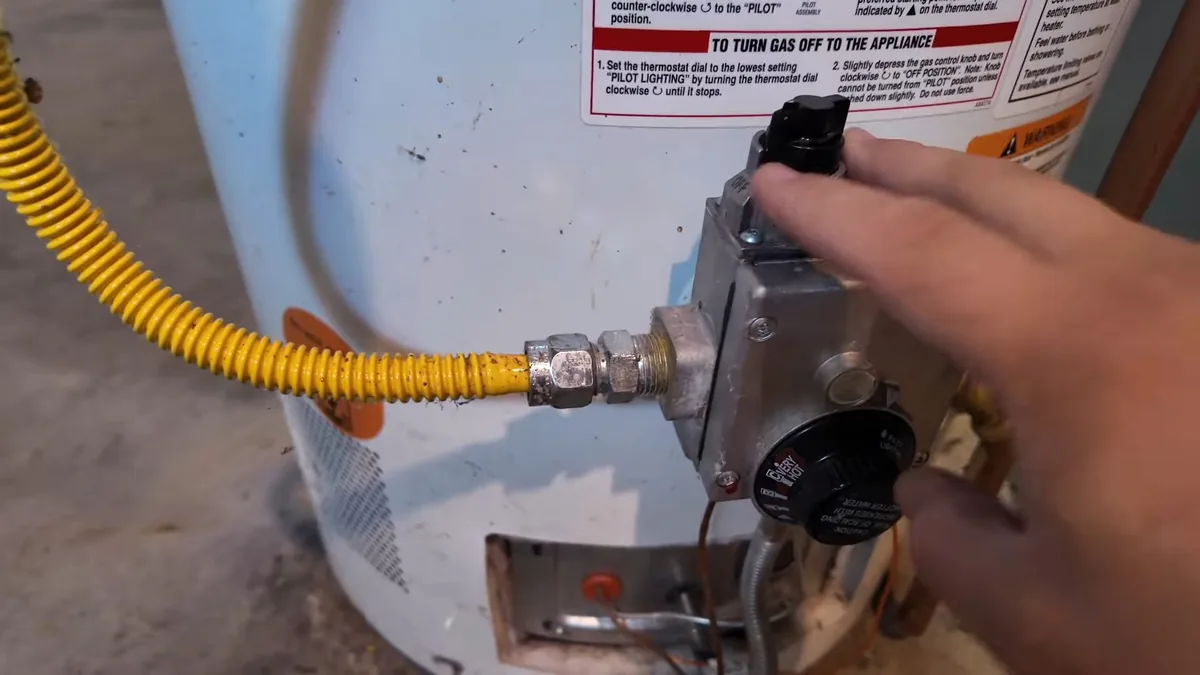
A gas smell: the steps, and the ones to skip
- Leave the building at once, taking everyone and pets with you.
- Do not switch lights, appliances or garage doors on or off, and do not use a phone or flame inside.
- From outside or a neighbor's home, call the gas utility and 911.
- Do not re-enter until the utility or the fire department says it is safe.
- Do not try to locate or tighten a fitting yourself.
A plumber is not the first call for a gas smell. The utility has instruments to find the source and the authority to shut off the service. A plumber becomes useful afterward, when the piping inside the house needs repair or testing.
If a carbon monoxide alarm is sounding, that is a separate emergency. Move everyone outside and call 911.
Who owns which part of the gas system
The utility owns the service line and the meter, up to the outlet of the meter. The owner owns the piping from the meter into and through the house, along with the appliances and their connectors. The shutoff at the meter belongs to the utility, and only the utility, or a trained emergency responder, should operate it.
Natural gas in Garner is typically supplied by the local gas utility, and some homes use propane delivered to a tank instead. The first call after a smell depends on which it is. On propane, the supplier of the tank is the first call along with 911.
A plumber can repair or replace the piping after the meter, hook up appliances and test the system. If the utility reports a leak on its side of the meter, the repair is the utility's, and a plumber has nothing to fix.
What a plumber repairs, and what a pressure test proves
Gas piping repair covers corroded or damaged sections, loose or failed fittings, flexible connectors that have aged, and valves that no longer seal. After the repair, the system should be pressure-tested, not just sniffed. The test pressurizes the piping and shows whether it holds.
- A repair to a single fitting or connector, followed by a leak check at that point.
- Replacement of a section of piping, followed by a pressure test of the affected run.
- A new appliance connection with a shutoff valve and a leak check at the joints.
- A full-system pressure test when a leak has been reported but not located.
Ask how the plumber tested the repair, what pressure was used and for how long, and whether the result can be written down. A repair that was only checked with soapy water at one joint is a thinner assurance than a documented pressure test.
The utility has cleared a gas leak and the piping needs repair? Say so on the call so the visit is planned for testing as well as repair.
Appliance hookups: water heaters, ranges, dryers and grills
Every gas appliance needs a shutoff valve within reach and a connector rated for the appliance. Old connectors that were bent, reused or damaged are a common source of small leaks. A new appliance should not be connected with the old flexible line.
A gas range needs a connector that allows it to be pulled out without straining the line. A dryer needs its own shutoff and a connector, and its venting matters as well. A water heater needs a sediment trap, a shutoff and correct venting, as described on the water heater installation page.
If you are adding a gas grill, fire pit or generator connection outdoors, ask whether the existing line can carry the extra load. A line sized for a furnace and a water heater may not deliver enough for another appliance.
Adding or moving gas piping
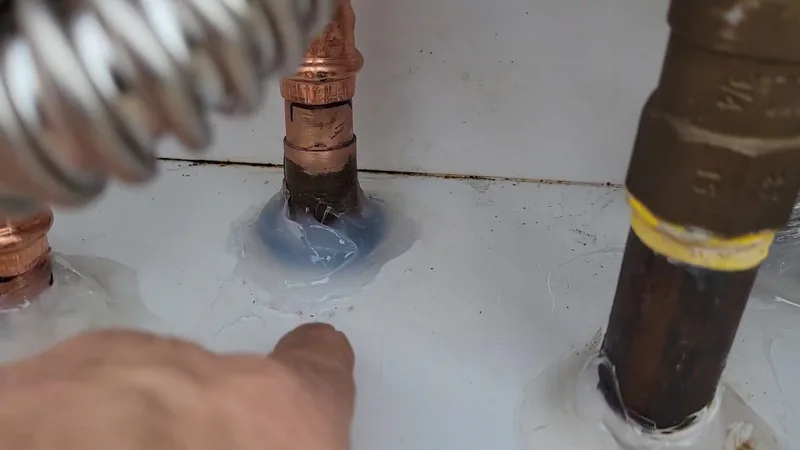
New gas runs depend on capacity. The meter, the existing piping size and the total load of all appliances decide whether a new run is possible without upgrading something. A plumber should calculate the load and tell you whether the existing system can handle it.
- Ask for the appliance load and the pipe size calculation in writing.
- Ask whether the meter or the utility's service line needs a change, which the utility handles.
- Ask about permits and inspection for the work.
- Ask what the piping is made of and how it is supported and protected.
Moving a line inside a finished wall can be disruptive. Ask what patching is included, and ask if an exposed route in a garage or a crawl space would work instead.
Permits, inspections and testing records
Gas piping work often needs a permit and an inspection. The Town of Garner Inspections Department at Town Hall, 900 7th Avenue, handles permits, and the rule for your specific job was not confirmed for this page. Ask the plumber whether the work needs one and who pulls it.
Keep the written test result and any inspection record. If a home is sold, or if an insurer asks later, a record of a pressure-tested repair is useful evidence that the work was done properly.
Gas leaks do not usually come with water symptoms, but a damp or smelly area under a house or around a meter is sometimes a combination of problems. If the source is not obvious, leak detection for water lines can rule out the water side while the utility checks the gas side.
Questions to ask before gas work
- Has the utility cleared the building, and is a release in writing needed?
- How will the repair be tested, and will I get the result in writing?
- Is the connector or valve being replaced, or only tightened?
- Does the existing piping have capacity for a new appliance?
- Is a permit required, and who pulls it?
Gas Line Repair questions in Garner
What should I do if I smell gas in my house?
Leave immediately with everyone in the home. Do not switch lights or appliances, and do not use a phone or flame inside. From outside, call the gas utility and 911, and stay out until they say it is safe.
Who repairs a gas leak, the utility or a plumber?
The utility is responsible for its service line and the meter. The owner is responsible for the piping from the meter through the house and for the appliances. A plumber repairs and tests the owner's piping after the utility has cleared the building.
Does a gas line repair need a pressure test?
It should be tested, not only sniffed. A pressure test shows whether the piping holds, and the result should be written down for your records.
Need gas line repair in Garner?
Call, describe what you are seeing, and get a plumber for your part of town. Prices are quoted after the plumber diagnoses the problem.